

When a customer pays late, the problem reaches beyond one outstanding invoice. Payroll, vendor commitments and planned investments still move on schedule, while the cash meant to fund them remains tied up in accounts receivable. For B2B companies billing on net terms, a repeatable response matters more than a last-minute reminder.
Talk with a Now specialist about practical cash-flow options for late-paying customers.
To understand how to handle late payments, confirm the invoice is accurate. Identify whether it was missed or disputed, contact the right accounts-payable person and follow a documented escalation schedule. In the meantime, protect operating continuity with a cash-flow plan that does not depend on guessing when a customer will pay.
Late payment pressure is common: approximately 60% of B2B invoices are paid after their stated terms and U.S. invoices average seven days late, according to EXIM research. The first step is seeing exactly how those delays affect the rest of the business.
Why late payments create a cash-flow problem
Answer: Late payments create a cash-flow problem because your business has completed the work and incurred costs, but the expected cash is still tied up in accounts receivable. The resulting gap can complicate payroll, supplier commitments, hiring and new project decisions, especially when several overdue invoices arrive together.
When an invoice passes its due date, the issue is more than an administrative follow-up. Your business has already delivered the work, incurred the related costs and recorded revenue, but the cash needed to fund operations is still outside the business. That gap can affect payroll planning, supplier payments, hiring decisions and the ability to accept the next project.

Late payments are common enough to create a broader operating risk. The U.S. Department of Commerce’s EXIM Growth Finance notes that approximately 60 percent of B2B invoices are paid after the agreed terms. U.S. invoices are paid an average of seven days late, according to the same source. For a company managing tight margins or several large customer accounts, even a week can force difficult choices about which obligations to prioritize. Review the source data on late invoice payments for additional context.
The effects can compound when several invoices are overdue at once. A business may postpone a vendor payment, draw down its cash reserve or turn away an otherwise profitable opportunity because it cannot confidently cover near-term costs. Management also loses time. Finance staff must identify the correct accounts-payable contact, resend documentation, investigate disputes and keep a record of every conversation. That collection work has an opportunity cost, especially when an owner or senior finance leader is involved.
It helps to separate two related but different problems. General advice on strategies to handle late payments can improve invoicing and shorten the time between delivery and payment. This article addresses the more immediate situation: an invoice is already past due. And you need a practical response that protects the customer relationship while restoring visibility into when cash will arrive. The first step is to establish why the payment is late and what action will resolve it.
That distinction also matters for cash planning. Managing B2B cash flow requires looking beyond a single collection email. Track overdue balances by customer, understand the effect on upcoming obligations and decide how much liquidity you need while the collection process runs. A consistent process turns a vague cash-flow concern into a set of decisions: which invoice needs attention first, who owns the follow-up and what outcome is required.
How to handle late payments with a clear first response
Answer: Confirm the invoice details and check whether it reached the correct accounts payable contact. Then send a courteous follow-up asking whether the invoice was missed or disputed. Keep the first message focused on finding the cause and agreeing on a realistic payment date.
A late invoice does not always signal unwillingness to pay. Some buyers have disorganized accounts payable processes, while others deliberately delay outflows to protect their own liquidity. Understanding which situation you are dealing with helps you choose a response that protects cash flow without unnecessarily damaging a valuable client relationship. The U.S. Department of Commerce identifies both ad hoc payment habits and cautious delays caused by cash-flow pressure as contributors to late payments. Review the source context on late invoice payments before building your internal policy.
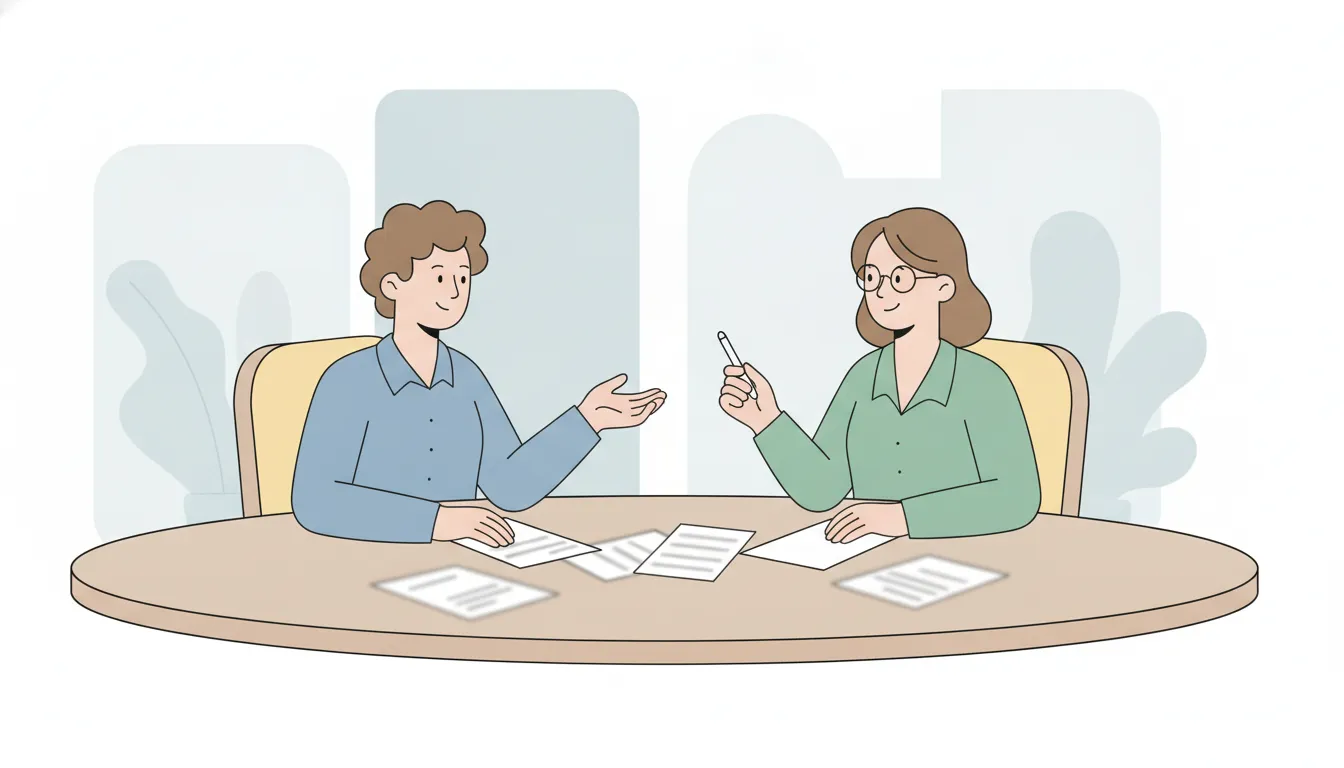
Before contacting the customer, confirm the basics:
- Check the invoice number, amount, due date and the payment terms in the signed agreement.
- Review your records to confirm the invoice was delivered and that any required purchase order, timesheet or approval document was included.
- Verify that the message is going to the correct accounts payable contact, rather than relying on an outdated project or sales contact. The billing and collections guidance from Florida Atlantic University recommends confirming the right department and contact details when a client is onboarded. See the billing and collections guidance.
- Look for an open service, delivery or billing question that could be holding up approval.
Then send a short, specific note. State that the invoice is past due, include the invoice number and amount and attach the original invoice if useful. Ask two direct questions: “Has this invoice been received and approved?” and “Is there anything needed from our team to release payment?” Avoid accusations or vague language. A friendly first follow-up is designed to determine whether the invoice was simply missed or whether the customer believes there is an issue with the product or service.
If the customer confirms that everything is approved, ask for a payment date and record the commitment. If there is a dispute, separate the disputed item from the undisputed balance and assign an owner on your team to resolve the issue. If the customer cannot provide a date, document the reason, schedule the next follow-up and move the invoice into your standard collection process. The goal is a clear next step, not an emotional exchange.
Build a follow-up process that becomes firmer over time
Answer: Build a late-payment process with clear checkpoints, owners and escalation rules. Confirm receipt first, request a specific payment date next and escalate when the customer misses a commitment. A 7/14/30-day cadence gives the team a consistent way to protect the relationship while setting boundaries around future work.
A consistent schedule keeps overdue invoices from becoming an informal, open-ended loan to your customer. It also gives your team a shared standard, so follow-up does not depend on who notices the missed payment first. Before an invoice is sent, make sure it states the payment terms, due date and the correct billing details. Send it promptly after the agreed work or delivery is complete. Clear documentation makes each later conversation more specific and easier to resolve.
A professional escalation process can follow a 7/14/30-day cadence after the due date.
| Timing | Primary objective | Recommended action |
|---|---|---|
| Seven days past due | Confirm receipt and identify the cause | Send a concise reminder and verify the accounts-payable contact |
| Fourteen days past due | Secure a specific commitment | Request a payment date and resolve missing information |
| Thirty days past due | Protect future work and escalate | Review the account, issue a formal notice and consider revised terms |
Use the cadence table as a quick reference. The steps below explain what to do at each point.
- Seven days past due: confirm and reopen the conversation. Send a concise reminder that identifies the invoice number, original due date, amount due and the payment method on file. Keep the tone direct but collaborative. Ask the accounts-payable contact to confirm receipt and whether the invoice is pending approval, missing information or under dispute. If the customer has changed personnel or payment systems, verify that the invoice reached the correct department. Record the response, promised payment date and any requested documentation in your accounts-receivable system.
- Fourteen days past due: request a firm payment commitment. Follow up with the person responsible for payment and, when appropriate, copy your day-to-day client contact. Restate the outstanding balance and reference the prior exchange. Ask for a specific date rather than a general assurance that payment is coming. If there is a legitimate administrative issue, agree on the exact action needed and its owner. If the customer is experiencing cash pressure, discuss a realistic payment plan only if it fits your policies and protects the relationship. Do not continue delivering additional work on unchanged terms without reviewing the exposure.
- Thirty days past due: escalate the account and protect future work. Send a formal notice summarizing the balance, prior reminders and the next step under your agreement. Escalate internally to the owner, finance lead or account executive, then decide whether to pause new work, request a partial payment or revise future terms. For a chronic late payer, consider a more secure arrangement, such as an upfront deposit or partial payment before work begins. Review the customer’s payment history and the cost of continued collection before committing more resources.
Any late-payment charge, interest provision or other remedy should be established in the original agreement and communicated clearly before work begins. Do not add a new penalty after the invoice becomes overdue or assume a charge is enforceable in every location. Have qualified counsel review contract language when needed, because requirements vary by situation and jurisdiction. The goal of a staged workflow is controlled escalation: preserve a workable customer relationship when possible while setting clear boundaries around your company’s cash flow.
How to handle late payments when a customer disputes an invoice
Answer: When a customer disputes an invoice, separate the disputed item from any undisputed balance. Review the agreement and delivery record, identify the person who can approve a resolution, assign an internal owner and document the next step. Continue pursuing the undisputed amount when appropriate, while resolving the specific concern.
Pause the collection sequence long enough to determine whether the dispute is about the work, the invoice or the customer’s payment process. A disputed invoice needs a documented resolution path, not repeated reminders that ignore the underlying issue.
Review the agreement and delivery record
Start with the signed agreement, statement of work, purchase order, approved change requests and delivery record. Confirm what was promised, what was completed and whether the invoice matches the agreed scope, rate and terms. Check that the invoice reached the correct accounts-payable contact and that required attachments or approval codes were included.
Then compare the customer’s objection with the record. A complaint about incomplete work may require a service response. A mismatch in quantities, dates or billing details may require a corrected invoice. A request to change terms after delivery is a payment issue that should be handled separately from a genuine performance concern.
Separate service resolution from payment resolution
Ask the customer to state the disputed item clearly and identify the person who can approve a resolution. Keep the conversation specific: which deliverable, amount or requirement is in question, and what evidence would close it? If the concern is valid, agree on the corrective action, owner and date. If only part of the invoice is disputed, request payment of the undisputed portion while the remaining item is reviewed.
Address service or product disputes promptly because an unresolved complaint can become a reason for delaying payment, even when the original issue is limited. The billing and collections guidance recommends responding quickly to these concerns rather than allowing them to sit in the collection queue.
Document the decision and set an escalation point
Record each contact, the customer’s stated reason, supporting documents, agreed next step and expected payment date. Assign one internal owner who can coordinate finance, account management and delivery. This prevents contradictory messages and makes it easier to identify whether the dispute is moving toward resolution.
Set a reasonable escalation point at the beginning. Escalate to a senior relationship owner when the customer misses an agreed resolution date, stops responding or repeatedly expands the dispute without evidence. Keep the tone factual and avoid making legal conclusions. If the relationship may require formal collection or contract action, involve qualified professional advisers.
Finally, evaluate the economics. If a customer repeatedly consumes substantial collection and service time, compare that cost with the account’s actual margin and strategic value. Guidance from Florida Atlantic University notes that the cost of pursuing a high-maintenance, slow-paying client can outweigh the profit from the work. That assessment should inform future terms, deposits, scope controls and whether the relationship belongs in your growth plan. For a broader operating framework, review this B2B cash flow management guide.
How can you prevent late payments from repeating?
Answer: Prevent repeat late payments by clarifying terms before work begins, confirming the buyer’s invoice-routing process, automating reminders and reducing payment friction. Track due dates, disputes and payment dates by customer so you can adjust terms or approval steps when a pattern appears.
Once an overdue invoice is resolved, look for the process failure that allowed the delay to happen. A payment problem may reflect an unclear agreement, an invoice that was difficult to route or too much friction at the payment stage. The goal is to make the expected action obvious for the customer and repeatable for your team.
Document the changes in your accounts receivable process rather than relying on individual judgment. The billing and collections guidance from Florida Atlantic University recommends using automation for invoice delivery and reminders, while making payment portals easy for customers to access. It also recommends offering multiple digital payment methods to accommodate different accounts-payable systems.
- Clarify the agreement before work begins. State the due date, payment method, approval requirements and any late-payment terms in the original contract. If your business charges interest or another late-payment fee, include it in the agreement and apply it consistently. Clear payment terms for client engagements give both sides a shared reference when questions arise.
- Confirm the payment path during onboarding. Record the correct accounts-payable contact, required purchase-order details, invoice submission address and customer-specific portal instructions. Review this information when the customer changes personnel or internal systems.
- Automate the routine steps. Configure invoices to go out promptly after delivery, then schedule reminders before and after the due date. Automation reduces the chance that a follow-up depends on someone remembering it during a busy week.
- Remove avoidable payment friction. Offer practical options such as digital bank transfer and card or portal payment where appropriate. Include the invoice number, amount due and a direct payment path in every reminder so the customer does not have to search for context.
- Change terms for chronic late payers. If a customer repeatedly misses agreed terms, review the commercial risk before accepting more work. A deposit, partial payment upfront, shorter terms or a defined credit limit may better match the relationship. Put any revised arrangement in writing before the next engagement begins.
Keep a simple record of invoice date, due date, reminder history, dispute reason and payment date. Reviewing that data monthly can show whether delays cluster around a specific customer, service line or approval step. That makes prevention more targeted than sending the same reminder to everyone, while preserving a professional relationship with customers who pay reliably.
These controls address future invoices. They do not replace a separate collection process for balances that are already past due, which should continue according to the documented escalation schedule.
How Revenue On Demand protects operating cash flow
Answer: Revenue On Demand helps eligible B2B companies access cash from approved invoices before their customers pay on net terms. It separates the timing of incoming cash from the customer’s payment cycle through a flat-fee, off-balance-sheet model. The business remains the biller of record and customer terms stay the same.
A disciplined collection process remains essential. Confirming the right accounts-payable contact, sending clear reminders and resolving disputes can improve the timing of customer payments. But even a well-managed receivables process cannot make every customer pay on the day an invoice is due.
For businesses that routinely operate on net-15 to net-90 terms. The gap between completing the work and receiving payment can still put pressure on payroll, vendor commitments and growth plans. Revenue On Demand helps address that timing gap without changing the underlying customer agreement.
Revenue On Demand provides a cash-flow continuity option for that gap. Once an invoice is approved, it can provide immediate cash flow rather than requiring the business to wait through the customer’s full payment cycle. This is done through Revenue On Demand, which allows you to receive your revenue hassle-free for a simple, flat fee.
The model is designed for B2B companies that invoice on commercial terms, rather than as a replacement for sound billing and collections practices. A company should still issue accurate invoices, follow its agreed process and maintain a constructive relationship with its customers. Revenue On Demand simply helps separate the timing of incoming cash from the timing of the customer’s payment.
It also differs from borrowing. Now is not a loan, so there is no debt on the balance sheet. The cost is structured as a flat fee, giving finance leaders a clearer basis for planning than an interest-bearing facility whose cost can change as balances remain outstanding. Businesses can review how Revenue On Demand works to understand the approval and funding process.
Revenue On Demand also includes protection against customer-pay risk such as the customer’s insolvency or bankruptcy. That protection is not unlimited. The business remains responsible where an invoice is fraudulent or where it has acted in bad faith or breached the applicable agreement. This distinction matters when evaluating the model and setting internal expectations.
Customer-facing operations do not need to be rebuilt around the arrangement. The business remains the biller of record, customer payment terms stay the same and only the remittance address changes. Customers know Now is being used, but the billing relationship and agreed terms remain unchanged. Leaders can review the Revenue On Demand FAQs for additional details before deciding whether it fits their receivables strategy.
Connect with Now to discuss a steadier way to manage cash flow while customers pay on their terms.
Frequently asked questions about late payments
How do you politely ask for payment for an overdue invoice?
Keep the message factual and easy to act on. Reference the invoice number, original due date and outstanding amount, then ask whether the customer needs a copy or has identified a billing issue. A respectful first reminder can reveal a missed invoice or unresolved service question without unnecessarily damaging the relationship.
What is the best way to handle persistent late payers?
Move from informal reminders to a documented escalation process. Confirm the accounts-payable contact, set a clear response deadline and review whether the account remains profitable after collection time is included. For a chronic late payer, consider revised terms such as an upfront deposit or partial payment before work begins. Put any new terms in writing before the next engagement.
Should I charge interest on late invoices?
Only charge interest or a late fee when the applicable amount and conditions were clearly included in the original agreement. Review the contract and relevant requirements before applying it, and communicate the calculation plainly. Adding a fee after the fact can create a dispute rather than improve collection.
What should I do when a customer disputes an invoice?
Pause escalation long enough to identify the specific issue. Compare the invoice with the contract, approval records and delivery documentation, then separate valid service concerns from administrative delays. Resolve or correct legitimate errors promptly, document the agreed outcome and set a new payment date for any undisputed balance.
Can Revenue On Demand help when customers pay late?
Revenue On Demand can provide cash flow when an invoice is approved, helping a business maintain operating continuity while it manages customer payment timing. It is not a replacement for clear terms or consistent collections. Learn more about how Revenue On Demand works, including its flat-fee structure and customer-pay risk protections.
Consistent collection practices can reduce surprises, but they cannot control when every customer releases payment. If overdue invoices continue to strain payroll, vendor commitments or growth plans, a cash-flow conversation may help you evaluate the right next step.
Talk to a Now specialist about keeping your cash flow moving.